

Why Tanzania Can Become Africa's Most Complete Destination
Tanzania has the ingredients to become Africa's most complete destination, combining world-class wildlife, Kilimanjaro, Zanzibar, culture, marine tourism, adventure, MICE and growing investment opportunities.
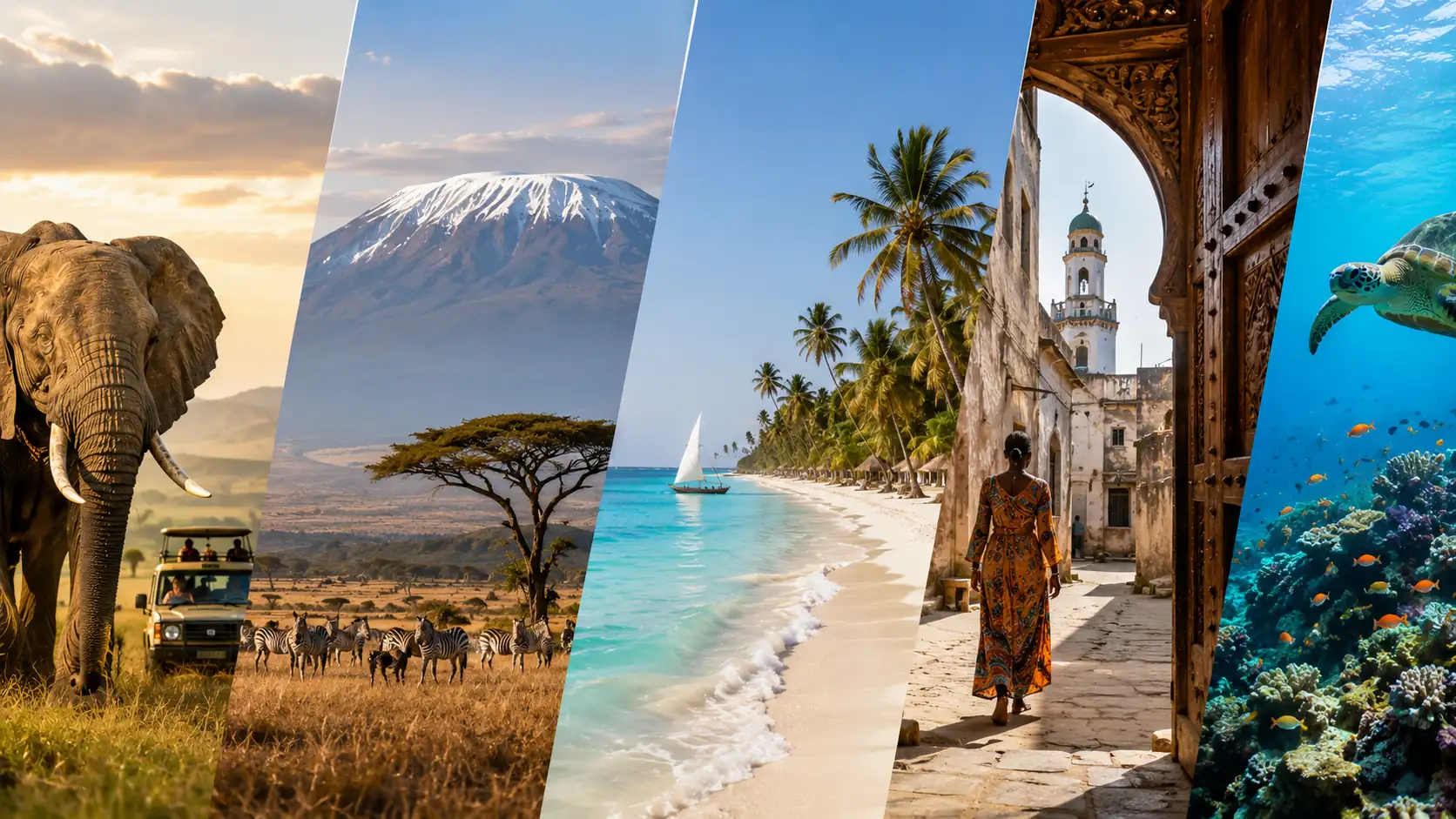
Tanzania possesses one of Africa’s most diverse tourism portfolios, combining wildlife and safari, Mount Kilimanjaro, beaches and islands, Swahili heritage, marine experiences, adventure, sports and MICE tourism. This diversity gives the country a distinctive competitive advantage and provides a strong foundation for the implementation of Development Vision 2050, which identifies tourism as a key sector for employment, foreign-exchange earnings, investment and economic transformation.
The opportunity for Tanzania goes beyond attracting more visitors. The strategic priority is to develop a complete and interconnected tourism economy that encourages visitors to stay longer, spend more, explore multiple destinations, return more frequently and generate greater value for Tanzanian businesses and communities.
Key Tourism Opportunities
Wildlife and Safari:
Tanzania's internationally recognised destinations—including Serengeti, Ngorongoro, Tarangire, Nyerere and Ruaha—remain the foundation of the country's tourism brand. The opportunity is to connect safari experiences with other tourism products and increase participation by local suppliers, guides, farmers, transporters, accommodation providers and creative businesses.
Mountain and Adventure Tourism:
Mount Kilimanjaro provides a globally recognised anchor, while Mount Meru, trekking, cycling, hiking, birdwatching, waterfalls and adventure events offer opportunities to diversify tourism and develop year-round products.
Beach, Island and Marine Tourism:
Zanzibar, Pemba, Mafia and Tanzania's mainland coastline provide opportunities in beach tourism, diving, sailing, sport fishing and marine experiences. These can connect tourism with the wider blue economy, conservation, fisheries, transport and hospitality sectors.
Culture, Heritage and History:
Swahili heritage, historic towns, museums, archaeological sites, festivals, cuisine, arts and traditional communities can diversify the visitor experience and distribute tourism benefits beyond traditional wildlife destinations.
MICE and Business Tourism:
Conferences, exhibitions and corporate events can attract high-value visitors while generating demand for hotels, transport, restaurants, event management and professional services.
Cruise Tourism:
The Indian Ocean presents an opportunity to develop cruise tourism and connect ports with excursions, cultural attractions, shopping, restaurants, guides and transport services.
Sports Tourism:
Marathons, mountain races, football, cycling, golf, water sports and international competitions can attract visitors while strengthening the connection between tourism, sports and the creative economy.
Ecotourism and Conservation:
Tanzania can strengthen its position as a sustainable destination by demonstrating how tourism supports conservation and creates tangible opportunities for communities around protected areas and natural resources.
The Economic Opportunity
Tourism already has significant economic importance. The source material records 2,141,895 international visitor arrivals in 2024, generating approximately US$3.903 billion in international tourism receipts, with tourism contributing about 17% of GDP in the 2024 baseline. It also records 996,787 international arrivals during January–June 2025, compared with 945,360 during the same period in 2024.
The strategic focus should therefore shift from visitor numbers alone to visitor value.
Tanzania can increase tourism's economic contribution by:
- Increasing length of stay
- Encouraging multi-destination travel
- Increasing visitor spending
- Developing new tourism products
- Encouraging repeat visits
- Expanding local participation in tourism value chains
A potential integrated itinerary could combine:
Safari → Kilimanjaro → Culture → Zanzibar
This approach positions Destination Tanzania as one connected experience rather than a collection of individual attractions.
Digital Tourism and Investment
Digital transformation will increasingly shape how visitors discover, compare, book, pay for and experience destinations. The source material highlights plans for tourism digitalisation, including smart tourism destinations, AI, IoT, big-data analytics, a national tourism data hub, digital payments, a national booking system and immersive technologies.
Investment opportunities extend across:
Hospitality | Transport | Tourism Experiences | Technology | MICE | Marine Tourism | Community Tourism
This creates opportunities not only for large investors, but also for SMEs, technology companies, local entrepreneurs and community-based businesses.
Tourism as a National Economic Network
The greatest opportunity may be tourism's ability to connect multiple sectors:
Tourism + Agriculture → markets for local farmers
Tourism + Manufacturing → locally produced hotel and hospitality supplies
Tourism + ICT → digital booking, payments and marketing
Tourism + Creative Industries → music, fashion, film, art and cultural experiences
Tourism + Transport → aviation, rail, roads and marine transport
Tourism + Blue Economy → coastal tourism, fisheries and marine conservation
This means tourism can evolve from a standalone industry into a national economic network, generating opportunities across regions and communities.
What Tanzania Must Prioritise
To realise the ambition of becoming Africa's leading tourism destination by 2050, Tanzania should focus on:
- Diversifying tourism products
- Connecting destinations and itineraries
- Improving service quality
- Accelerating digitalisation
- Attracting strategic tourism investment
- Strengthening local tourism value chains
- Increasing visitor length of stay
- Encouraging repeat visitation
- Positioning Destination Tanzania as one integrated global brand
- Ensuring communities participate in tourism benefits
Progress.tz Take
Tanzania's competitive advantage is not simply that it has the Serengeti, Kilimanjaro or Zanzibar. It is that all these experiences exist within one destination.
The next phase of Tanzania's tourism development should therefore move:
From Safari Tanzania → to Destination Tanzania
From visitor numbers → to visitor value
From individual attractions → to integrated experiences
From tourism as an industry → to tourism as a national economic ecosystem
With effective implementation of Dira 2050, stronger infrastructure, digital transformation, investment and community participation, Tanzania has the opportunity to turn its extraordinary tourism assets into a larger, more diversified and more inclusive economic engine by 2050.