

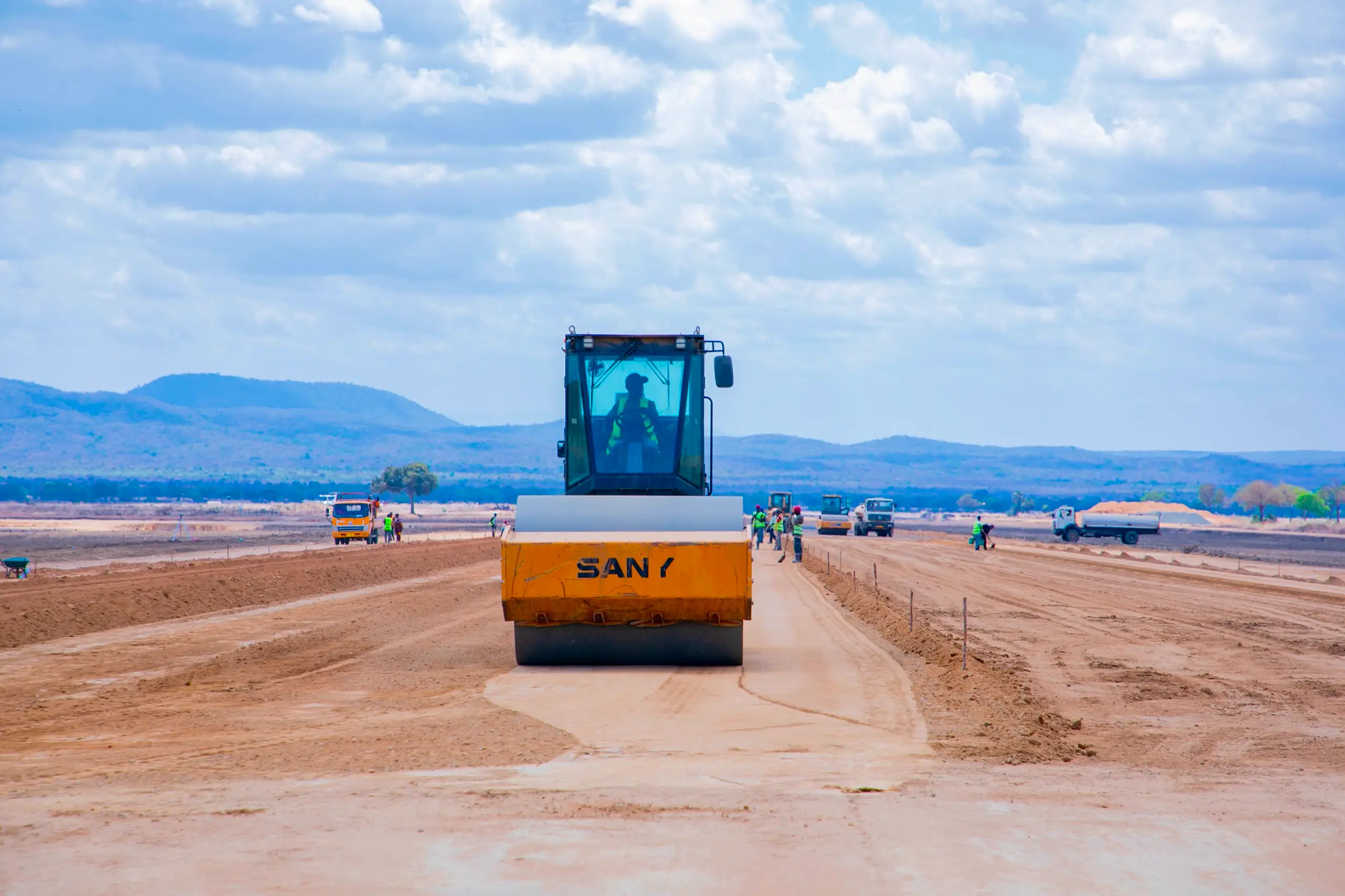
Tanzania Is Bringing the Safari Closer: New Mikumi Airport Takes Shape
Tanzania's new airport inside Mikumi National Park is taking shape, promising faster access to the wilderness and stronger connections between Mikumi, Nyerere and Ruaha as the country expands its southern safari tourism circuit.
MIKUMI, Tanzania — September 29, 2026 — For travellers dreaming of Tanzania’s wild landscapes, the journey into the heart of the safari is set to become easier.
Tanzania is advancing construction of a modern airport inside Mikumi National Park, marking another step in the country’s drive to improve access to its world-renowned protected areas and strengthen the infrastructure supporting international tourism.
Scheduled for completion by November 15, 2026, the airport is being developed as a new gateway to Mikumi — a destination celebrated for its expansive savannah landscapes and remarkable diversity of wildlife.
At the centre of the project is a 1.8-kilometre runway, supported by modern passenger facilities for arrivals and departures, a fire and rescue services building and a dedicated meteorological station.
The runway is being constructed using polymer-modified asphalt technology, designed to enhance pavement durability and extend the operational life of the infrastructure.
But beyond the engineering, the project represents something particularly important for Tanzania's tourism future: connectivity.
A New Gateway to Mikumi
Mikumi National Park occupies an important position in Tanzania's tourism landscape.
Its accessibility from Dar es Salaam has long made it an attractive safari destination for travellers seeking to experience Tanzania's wildlife without travelling immediately to the country's more distant parks.
Improved aviation infrastructure could add another dimension to that advantage.
For international visitors, particularly those travelling on limited schedules, stronger air connections can reduce time spent moving between destinations and create more opportunities to combine several experiences within a single itinerary.
A visitor arriving through Dar es Salaam could, for example, incorporate Mikumi into a broader journey through Tanzania's southern tourism destinations rather than treating each park as a separate expedition.
That is where the significance of the new airport extends beyond Mikumi itself.
Connecting Tanzania's Southern Safari Circuit
The Mikumi development comes alongside investment in aviation infrastructure elsewhere in Tanzania's protected areas.
According to information provided during an inspection of the project on September 29, three other airfields have already been completed: one in Nyerere National Park and two in Ruaha National Park.
Together, Mikumi, Nyerere and Ruaha represent some of Tanzania's most important wildlife landscapes outside the country's globally recognised northern safari circuit.
Better aviation connections between these destinations could make it easier for tour operators to develop itineraries linking multiple parks while giving international travellers greater flexibility in designing their journeys.
For Tanzania, that creates an opportunity to encourage visitors to explore more destinations, stay longer and experience a broader range of the country's tourism products.
November 15 Target
During his inspection of the Mikumi project, Dr. Hassan Abbasi, Permanent Secretary in Tanzania's Ministry of Natural Resources and Tourism, expressed satisfaction with the progress and quality of construction.
“When we received the written progress report at the Ministry, you indicated that this important project would be completed in November this year. Having visited the site today and seen the work being undertaken, I am satisfied that the entire project will indeed be handed over to us by November 15, 2026,” Dr. Abbasi said.
The deadline places the project close to becoming operational infrastructure capable of supporting the next stage of Mikumi's tourism development.
More Than an Airport
Modern tourism increasingly depends on how easily travellers can move between experiences.
For safari destinations, connectivity can influence everything from itinerary design and visitor comfort to the ability of operators to combine remote destinations within shorter journeys.
Tanzania already possesses the natural assets: extraordinary wildlife, vast protected landscapes, the Indian Ocean coastline, Zanzibar, Mount Kilimanjaro and internationally renowned safari destinations.
Infrastructure determines how easily travellers can experience them.
The Mikumi airport project therefore represents more than a new runway.
It forms part of a broader effort to make Tanzania's tourism geography increasingly connected — opening possibilities for travellers to move from cities to wilderness areas and between national parks with greater efficiency.
Opening More of Tanzania to the World
For decades, Tanzania's international safari identity has been strongly associated with destinations such as Serengeti, Ngorongoro and Kilimanjaro.
The country's southern landscapes offer another compelling dimension.
Mikumi provides sweeping plains and abundant wildlife; Nyerere offers an immense wilderness shaped by the Rufiji River; and Ruaha is renowned for its rugged landscapes and exceptional wildlife experiences.
Improved air infrastructure has the potential to bring these destinations closer together from a traveller's perspective.
As Tanzania continues investing in tourism connectivity, the objective is increasingly clear: not simply to attract visitors, but to make more of the country accessible to them.
When the new Mikumi airport is completed, its 1.8-kilometre runway will therefore represent something larger than aviation infrastructure.
It will be another gateway into Tanzania's wild heart — and another connection between the country's extraordinary landscapes and travellers from around the world.