

Tanzania Urges Global Biodiversity Action as Mwinyi Addresses COP17 Leaders’ Summit
Zanzibar President Hussein Ali Mwinyi has urged world leaders to turn biodiversity pledges into concrete action, sustainable financing and community benefits, highlighting Tanzania’s 2030 conservation strategy and the expansion of Zanzibar’s marine protected areas.
YEREVAN, Armenia, October 16, 2026 — Tanzania has called on world leaders to translate global biodiversity commitments into concrete conservation measures, sustainable financing and tangible benefits for local communities, warning that international pledges must be matched by effective implementation.
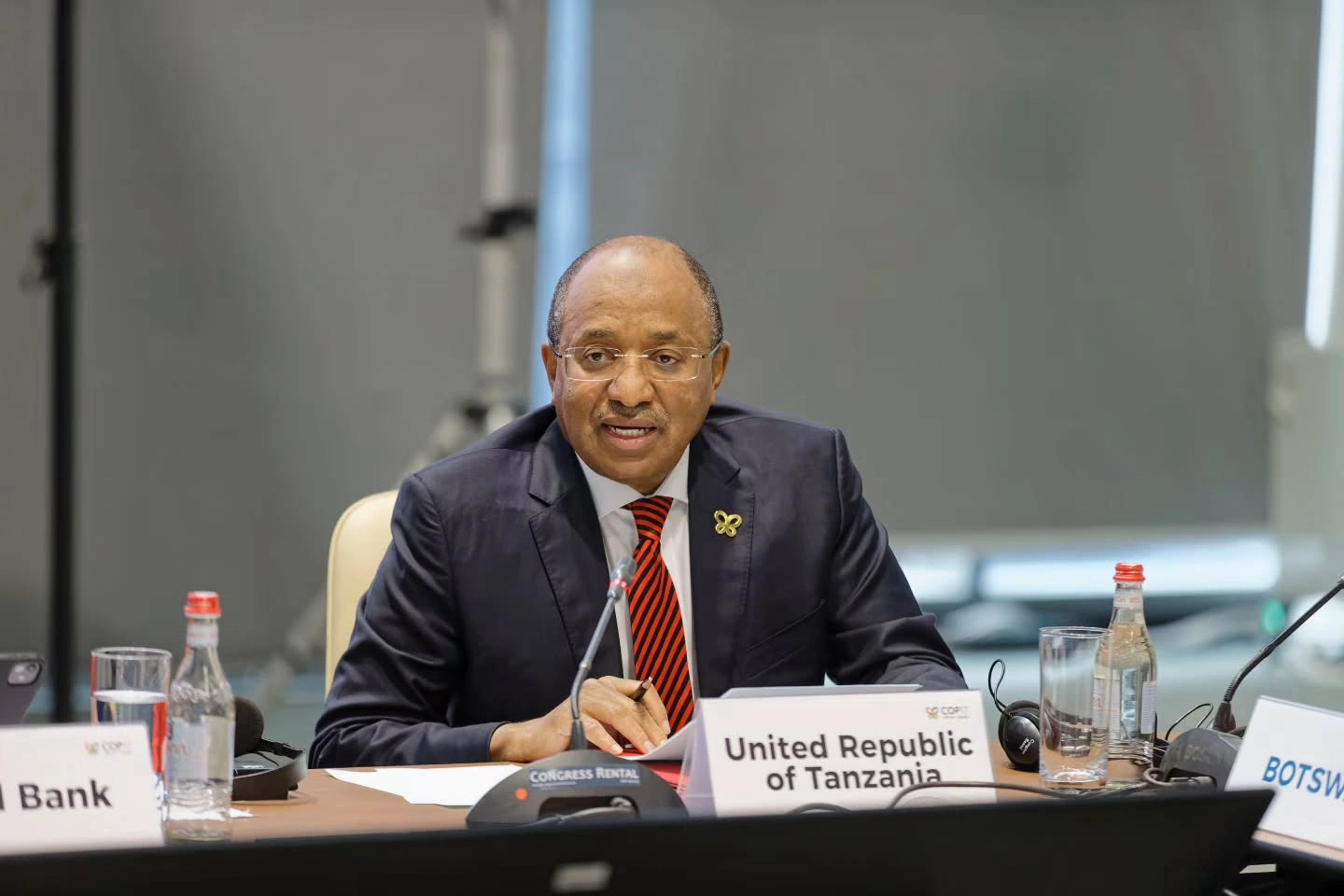
The appeal was delivered by Zanzibar President Hussein Ali Mwinyi, who represented Tanzanian President Samia Suluhu Hassan at the Leaders’ Summit on Biodiversity in Yerevan, Armenia, on Friday.
Mwinyi said protecting the world's ecosystems required more than political commitments, emphasising the need for reliable financial resources, practical conservation programmes and the active participation of communities whose livelihoods depend on natural resources.
His remarks placed community participation and access to conservation financing at the centre of Tanzania's position on international biodiversity cooperation.
Tanzania Outlines Biodiversity Strategy Through 2030
Mwinyi highlighted Tanzania's National Biodiversity Strategy and Action Plan for 2025–2030, which sets out priorities for protecting biodiversity, restoring degraded ecosystems and promoting the sustainable use of biological resources.
The strategy provides a national framework for advancing conservation measures while supporting economic activities that depend on healthy ecosystems.
Tanzania's approach reflects the importance of balancing environmental protection with the needs of communities, particularly those relying on forests, fisheries, wildlife and other natural resources.
Mwinyi emphasised that conservation initiatives should deliver practical outcomes, with communities playing an active role in managing and benefiting from the resources being protected.
Zanzibar Expands Marine Conservation Areas
Highlighting conservation progress in Zanzibar, Mwinyi said the number of marine protected areas had increased from five to seven, while the area under conservation management had expanded from approximately 2,400 square kilometres to more than 3,600 square kilometres.
The expansion represents an increase of more than 1,200 square kilometres in the reported area under marine conservation management.
According to Mwinyi, the measures are contributing to the protection of marine resources and efforts to promote sustainable development.
Marine conservation is particularly significant for Zanzibar, where coastal ecosystems support fisheries, tourism and other activities associated with the blue economy.
The expansion of protected areas forms part of efforts to strengthen the management of marine ecosystems while maintaining the long-term economic and environmental value of coastal resources.
Tanzania Backs Global 30-by-30 Conservation Target
During the summit, Tanzania reaffirmed its support for implementing international biodiversity commitments towards 2030, including the global objective of conserving at least 30% of terrestrial and marine areas by the end of the decade.
The target is a central element of the Kunming–Montreal Global Biodiversity Framework, which seeks to address biodiversity loss through conservation, restoration and sustainable resource management.
Mwinyi's remarks underscored the importance of moving from international agreements to measurable national action.
For developing countries, access to predictable conservation financing remains an important consideration in implementing biodiversity programmes while responding to competing development priorities.
Tanzania's position emphasised the need for international cooperation that supports national conservation strategies and delivers benefits to communities.
Sustainable Financing and Community Participation
A central theme of Mwinyi's address was the relationship between biodiversity protection, financial support and local participation.
He called for conservation commitments to be backed by sustainable funding arrangements capable of supporting long-term ecosystem protection and restoration.
The President also stressed the importance of ensuring that communities are included in conservation initiatives and share in the benefits arising from the sustainable use of biological resources.
The approach places local participation alongside international financing as an essential component of effective biodiversity management.
Tanzania Reaffirms International Environmental Cooperation
Mwinyi addressed the summit on behalf of President Samia Suluhu Hassan, reaffirming Tanzania's participation in international discussions on biodiversity conservation and sustainable development.
He was accompanied by Deputy Minister for Foreign Affairs and East African Cooperation James Kinyasi Millya, Tanzania's Ambassador to the Russian Federation, concurrently accredited to Armenia, Fredrick Ibrahim Kibuta, and other senior government officials.
The address highlighted Tanzania's stated priorities ahead of 2030: stronger biodiversity protection, expanded ecosystem restoration, sustainable financing and conservation policies that deliver measurable benefits for communities.
For Tanzania and Zanzibar, the challenge will be to translate these commitments into continued conservation progress while supporting the livelihoods and economic activities that depend on healthy natural ecosystems.