

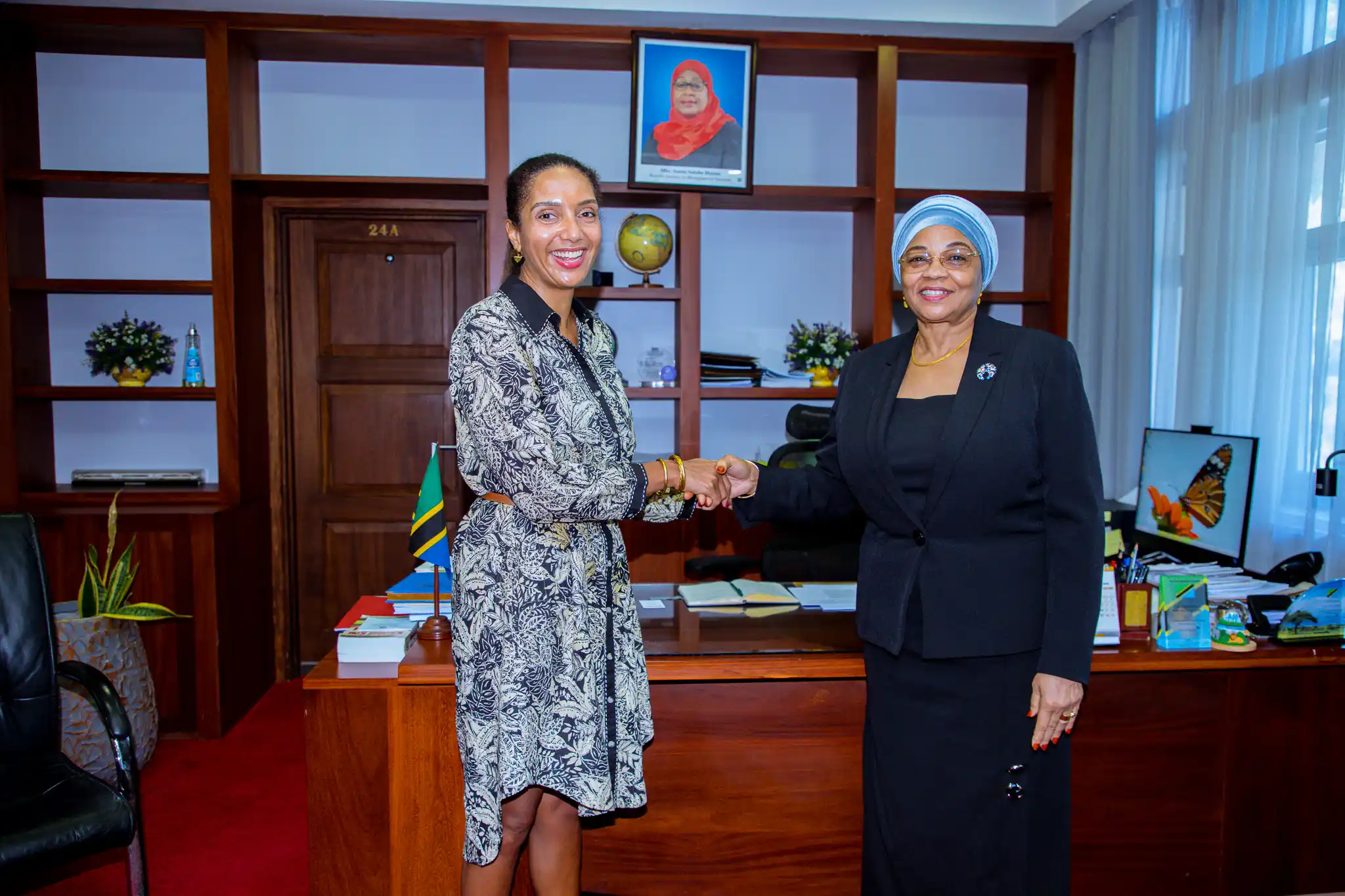
Tanzania and AFD discuss development financing
Tanzania is seeking deeper cooperation with the French Development Agency to finance energy, digital and blue economy projects. The finance ministry says AFD has 12 ongoing projects in the country worth €1.13 billion.
Tanzania has reaffirmed its commitment to strengthening ties with the French Development Agency (AFD) to finance major projects aimed at boosting economic growth and improving living standards.
The finance ministry’s permanent secretary, Dr Natu El-Maamry Mwamba, outlined the government’s priorities during talks with AFD’s Africa director, Sandra Kassab, in Dar es Salaam.
Dr Mwamba said AFD currently had 12 ongoing projects in Tanzania worth €1.13 billion. A further €175 million had been approved for three projects covering water, sanitation and climate change, she said.
The government is seeking financing for other projects under preparation, including a hybrid energy project in Mafia, blue economy initiatives, a power interconnection between Uganda and Tanzania, and a national digital development project.
The proposed cooperation also includes a non-sovereign loan to the Tanzania Agricultural Development Bank (TADB).
Dr Mwamba said Tanzania valued its longstanding development relationship with France, which dates back to the 1970s. She cited the construction of Dar es Salaam International Airport in 1979 as one of the early projects financed by the French government, adding that cooperation with AFD had deepened from the 1990s.
“AFD has remained an important development partner, financing projects in energy, water and sanitation, transport infrastructure, agriculture, rural electrification, forestry and environmental conservation,” she said.
She urged the agency to maintain its level of development financing following the completion of Tanzania’s International Monetary Fund programmes under the Extended Credit Facility and the Resilience and Sustainability Facility in July 2026.
Dr Mwamba also called for stronger support for local construction contractors to help them compete effectively with foreign firms for national projects.
Building their capacity would increase the participation of Tanzanian companies and ensure that more of the economic benefits from development projects remained in the country, she said.
Ms Kassab called for closer cooperation between development institutions, the Tanzanian government and the private sector to attract European investment, particularly from France.
She said such partnerships could accelerate industrial development by helping European companies identify opportunities in Tanzania, provide technological and technical solutions, and establish lasting partnerships to improve public services.
On procurement, Ms Kassab stressed the importance of following guidelines that encourage broad participation and competition when tenders are advertised. This would help secure quality goods and services at fair prices, she said.
She added that investment should extend beyond supplying equipment and delivering projects to include operations, maintenance and long-term technical support, helping projects remain sustainable and provide reliable services.