

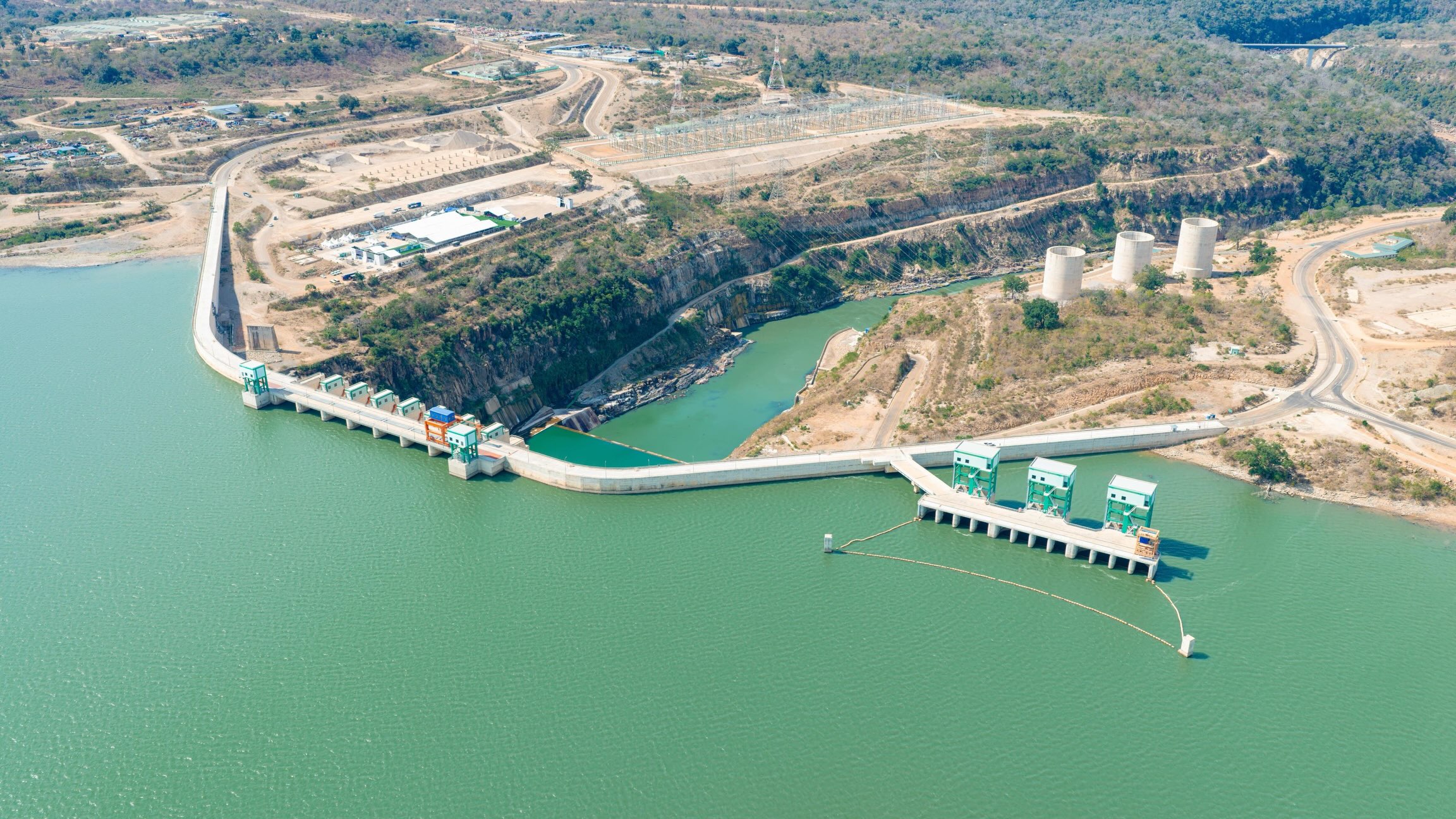
Powering Industrial Tanzania: President Samia Inaugurates 2,115MW Julius Nyerere Project
The Julius Nyerere Hydropower Project comprises nine generating units, each with a capacity of 235 MW, giving the facility its total installed capacity of 2,115 MW. The project was constructed at an estimated cost of TZS 7.452 trillion, financed by the Government of the United Republic of Tanzania. Construction began in June 2019 and was completed in March 2025.
👁 11 views
💬 0 comments
The project's contribution to Tanzania's national electricity system has already been substantial. According to figures cited by the Ministry of Energy, JNHPP accounted for approximately 44.9 percent of electricity generated and supplied to the national grid in the year to May 31, 2026.
Tanzania’s total installed electricity generation capacity has reached approximately 4,646 MW, with JNHPP contributing 2,115 MW of that capacity.
Strengthening Energy Security
The commissioning of JNHPP is expected to strengthen Tanzania’s ability to provide reliable and adequate electricity to households, businesses and industries while reducing the power shortages that previously contributed to electricity rationing.
The Government has identified reliable electricity supply as a critical foundation for expanding manufacturing, attracting investment, increasing productivity and accelerating economic transformation.
The project also has wider strategic significance for Tanzania’s ambition to develop stronger regional electricity interconnections and participate more actively in cross-border power trade within East Africa.
Strategic Infrastructure for Tanzania’s Economic Transformation
Beyond electricity generation, the JNHPP is part of Tanzania’s broader strategic infrastructure agenda aimed at creating the energy foundation required for sustained economic development.
The project’s large-scale reservoir and associated infrastructure are also linked to wider water-management objectives, including flood control and potential benefits for irrigation and other economic activities.
The facility was constructed by an Egyptian consortium involving The Arab Contractors and Elsewedy Electric, further highlighting the role of international engineering cooperation in delivering major infrastructure projects in Tanzania.
A Landmark Moment for Tanzania’s Energy Sector
President Samia’s inauguration of the Julius Nyerere Hydropower Project therefore marks more than the commissioning of a power plant. It represents a significant step in Tanzania’s long-term drive to build a stronger, more reliable and more competitive energy system.
With its 2,115 MW installed capacity, JNHPP stands as a flagship infrastructure project supporting Tanzania’s national development ambitions, industrialisation agenda and efforts to strengthen energy security.
The Julius Nyerere Hydropower Project is now officially inaugurated — marking a new chapter in Tanzania’s energy development.
Tanzania’s total installed electricity generation capacity has reached approximately 4,646 MW, with JNHPP contributing 2,115 MW of that capacity.
Strengthening Energy Security
The commissioning of JNHPP is expected to strengthen Tanzania’s ability to provide reliable and adequate electricity to households, businesses and industries while reducing the power shortages that previously contributed to electricity rationing.
The Government has identified reliable electricity supply as a critical foundation for expanding manufacturing, attracting investment, increasing productivity and accelerating economic transformation.
The project also has wider strategic significance for Tanzania’s ambition to develop stronger regional electricity interconnections and participate more actively in cross-border power trade within East Africa.
Strategic Infrastructure for Tanzania’s Economic Transformation
Beyond electricity generation, the JNHPP is part of Tanzania’s broader strategic infrastructure agenda aimed at creating the energy foundation required for sustained economic development.
The project’s large-scale reservoir and associated infrastructure are also linked to wider water-management objectives, including flood control and potential benefits for irrigation and other economic activities.
The facility was constructed by an Egyptian consortium involving The Arab Contractors and Elsewedy Electric, further highlighting the role of international engineering cooperation in delivering major infrastructure projects in Tanzania.
A Landmark Moment for Tanzania’s Energy Sector
President Samia’s inauguration of the Julius Nyerere Hydropower Project therefore marks more than the commissioning of a power plant. It represents a significant step in Tanzania’s long-term drive to build a stronger, more reliable and more competitive energy system.
With its 2,115 MW installed capacity, JNHPP stands as a flagship infrastructure project supporting Tanzania’s national development ambitions, industrialisation agenda and efforts to strengthen energy security.
The Julius Nyerere Hydropower Project is now officially inaugurated — marking a new chapter in Tanzania’s energy development.